
 See Our Latest Article on HelloNation
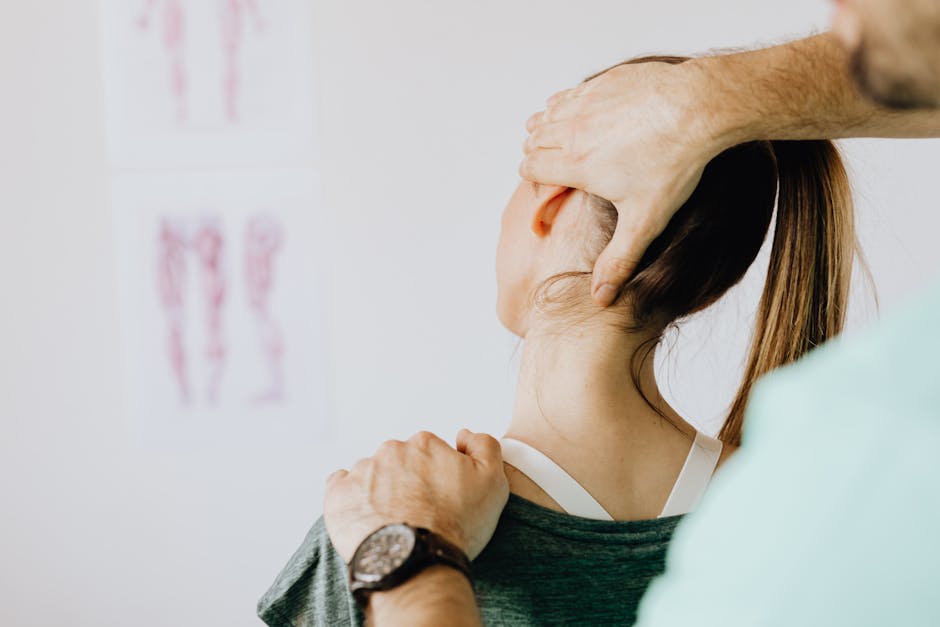
Lewiston, NY, nestled along the Niagara River, is a vibrant community known for its outdoor festivals, scenic hiking, and tight-knit neighborhoods. Our active way of life brings countless health benefits—but it also puts us at risk for musculoskeletal issues like pinched nerves. As a chiropractor serving Lewiston, I often see residents struggle with pain, numbness, and tingling that starts after a weekend hike, hours of gardening, or even just long commutes to Niagara Falls or Buffalo.
The good news? Most pinched nerves can be prevented through mindful movement, good posture, and regular wellness habits. Here’s how to keep your nerves healthy, so you can keep enjoying everything our beautiful town has to offer.
What Is a Pinched Nerve?
A pinched nerve occurs when too much pressure is applied to a nerve by surrounding tissues—such as bones, cartilage, muscles, or tendons. This can lead to inflammation, pain, numbness, or weakness, often in the neck, lower back, shoulders, arms, or legs. In Lewiston, pinched nerves are often the result of:
- Repetitive motions from gardening or home projects
- Carrying heavy loads, like groceries from Tops or landscaping supplies
- Poor posture from long hours at a desk or behind the wheel
- Sports and recreational activities along the Niagara Gorge trail or at Artpark
Understanding these contributors is the first step to prevention.
Common Signs You Might Have a Pinched Nerve
Early identification is crucial in preventing long-term issues. Keep an eye out for these signs:
- Tingling or pins-and-needles sensations in your hands or feet
- Localized pain that radiates down an arm or leg
- Muscle weakness in a specific area
- A feeling that a limb “falls asleep” more often
If symptoms persist, it’s important to consult a healthcare provider familiar with neuromuscular health.
How to Prevent Pinched Nerves in Your Daily Routine
Preventing pinched nerves starts with daily habits that support spinal health and nerve function. Here are some practical steps, tailored for an active Lewiston lifestyle:
1. Practice Proper Posture—All Day, Every Day
Whether you’re working at a desk or enjoying outdoor jazz at Hennepin Park, posture matters. Good posture reduces strain on your spine and supports nerve health.
- Sit with your back straight, shoulders relaxed, and feet flat on the floor
- Avoid slouching when sitting and standing—especially at Lewiston’s riverfront cafes or while watching local events
- Use ergonomic chairs or standing desks if your job involves long hours at a computer
2. Lift Carefully and Often
Community events and household chores often require lifting. Protect your nerves and back with proper technique:
- Always bend at the knees, not your waist
- Keep objects close to your body as you lift
- Avoid twisting as you pick up heavy items
Whether you’re carrying Adirondack chairs to the front porch or helping with a neighbor’s move, mindful lifting goes a long way.
3. Stay Active—But Balance Activity With Rest
Lewiston offers endless ways to be active, from kayaking on the river to walking in Joseph Davis State Park. Staying active helps maintain flexibility and strength, but beware of overuse:
- Warm up before gardening, hiking, or participating in festivals
- Stretch regularly, focusing on your back, neck, and limbs
- Mix up your activities to avoid repetitive strain on the same muscles
Listen to your body—if you feel discomfort, take a break, hydrate, and stretch.
4. Prioritize Sleep and Stress Relief
Quality sleep allows your body to repair tissue and reduce inflammation, both crucial for nerve health. Stress, common during busy festival seasons or when commuting, can add tension that pinches nerves.
- Set a regular sleep schedule, even during busy months
- Design a wind-down routine: listen to calming music, avoid screens before bed, or read a book set in Lewiston’s rich history
- Practice relaxation techniques like deep breathing or yoga
5. Create an Ergonomic Home and Work Environment
Lewiston’s historic homes and modern offices can sometimes fall short on ergonomics. Simple changes can make a big difference:
- Adjust your work chair and desk to support your lower back and neck
- Keep monitors at eye level to avoid hunching forward
- Use voice-to-text or headset calls to minimize cradling the phone between ear and shoulder
For remote workers and students, taking short “movement breaks” throughout the day can prevent stiffness and nerve compression.
6. Seek Routine Preventative Care
Routine wellness visits play a vital role in preventing pinched nerves. Chiropractic care, massage therapy, and regular physical exams can identify spinal misalignments and nerve pressure before they become problematic.
- Don’t ignore minor aches or tingling—early intervention often means easier, faster recovery
- Engage in annual checkups, especially if you’re active in Lewiston’s recreational leagues or hiking clubs
When to See a Professional
If lifestyle adjustments don’t relieve your symptoms, or if you experience severe pain, numbness, or weakness, professional care is key. Prompt evaluation by a healthcare provider or chiropractor ensures that nerve pressure is properly diagnosed and managed—reducing the risk of long-term injury or chronic pain.
Lewiston’s Unique Lifestyle: Make Movement a Habit
Lewiston residents are fortunate to have parks, trails, and festivals at their doorstep. Make the most of our active town by integrating movement, mindfulness, and strong posture into your daily life. Small changes can prevent pinched nerves and keep you participating in all that Lewiston has to offer, from farmers markets to scenic overlooks.
Preventing pinched nerves isn’t just about avoiding pain—it’s about enhancing your quality of life. By supporting your nerve health, you’ll stay active, resilient, and ready for whatever adventure or community event comes next in beautiful Lewiston, NY.
