
 See Our Latest Article on HelloNation
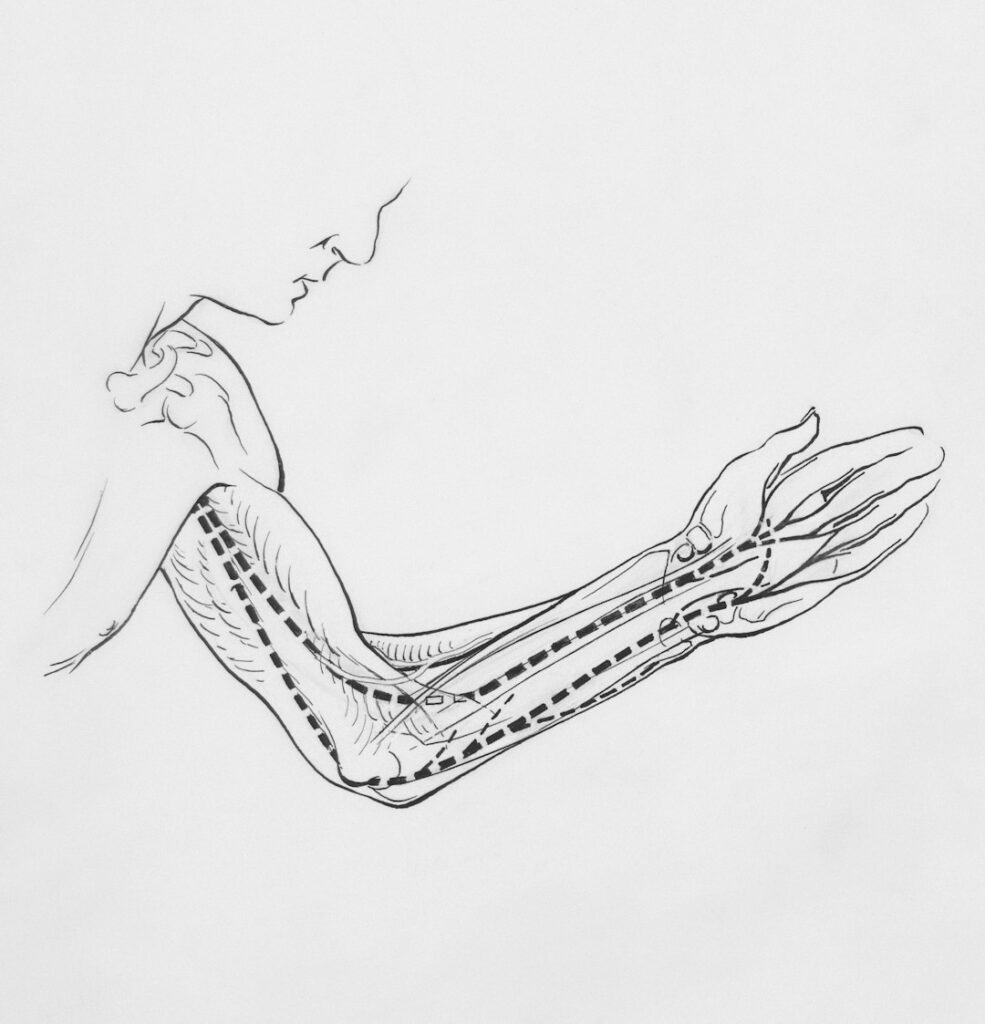
Nerve compression can begin subtly. A brief tingling sensation, a patch of numb skin, or pain that travels from the neck or back into an arm or leg may be an early signal that a nerve is irritated or crowded by surrounding tissue.
For residents of Lewiston, NY, these symptoms may appear after long periods of desk work, repetitive hand use, lifting, gardening, driving, sleeping in an awkward position, or spending cold-weather months less physically active. Early attention does not always mean the problem is serious, but it can help distinguish a temporary irritation from a condition that needs medical evaluation.
What does nerve compression feel like?
Early nerve compression often causes changes in sensation before noticeable loss of strength. Symptoms may be intermittent at first and become more predictable with certain positions or activities.
Common early signs include:
- Pins-and-needles sensations in the hand, fingers, foot, or toes
- Numbness or reduced sensitivity to touch, temperature, or pressure
- Burning, aching, or electric-like pain
- Pain that travels along an arm or leg rather than staying in one spot
- A feeling of heaviness, clumsiness, or unusual fatigue in a limb
- Symptoms that are worse at night or after holding one position
A nerve-related symptom often follows a recognizable pathway. For example, irritation near the neck may cause discomfort into the shoulder, arm, or hand. Compression in the lower back may produce symptoms into the buttock, thigh, calf, or foot. Compression can also occur outside the spine, such as at the wrist, elbow, shoulder, or ankle.
Is tingling always a sign of a pinched nerve?
No. Tingling can result from temporary pressure, reduced circulation, inflammation, a muscle problem, diabetes, vitamin deficiencies, medication effects, or other neurological conditions. Sitting on a leg and causing it to “fall asleep” is a familiar example of short-term pressure on a nerve.
The pattern matters. Tingling that disappears quickly after changing position is generally different from symptoms that return frequently, last longer, spread, or occur with weakness. Numbness that becomes constant should not be dismissed simply because it is painless.
A useful record can include:
- Where the sensation begins and where it travels
- How long each episode lasts
- Whether neck, back, wrist, or limb position changes it
- Whether symptoms occur during sleep, driving, computer use, or lifting
- Any new weakness, balance difficulty, or loss of coordination
Which symptoms suggest the problem may be progressing?
Weakness is more concerning than mild, occasional tingling. It may show up in practical ways rather than as an obvious inability to move.
Examples include dropping objects, difficulty opening jars, trouble fastening buttons, a weaker grip, frequent tripping, dragging the toes, or difficulty climbing stairs. A person may also notice that one arm or leg feels less reliable than the other.
Pain that radiates farther over time can also indicate increasing nerve irritation. Neck pain that begins to travel below the shoulder, or low-back pain that extends into the leg, deserves attention when it persists or interferes with ordinary activities.
Symptoms that worsen after repeated use may relate to compression at a peripheral nerve. For instance, wrist compression may cause nighttime hand numbness or tingling in the thumb, index, and middle fingers. Elbow-related compression may affect the ring and little fingers. These patterns can overlap with other conditions, so they should not be used as a diagnosis by themselves.
What commonly contributes to nerve compression?
Nerves can be irritated by pressure from discs, joints, muscles, tendons, swelling, or narrowed spaces. Causes vary depending on the location.
Common contributors include:
- Repetitive gripping, typing, tool use, or overhead activity
- Prolonged sitting or sustained neck and wrist positions
- A disc bulge or age-related narrowing around a spinal nerve
- Swelling after an injury
- Direct pressure on the elbow, wrist, hip, or ankle
- Sudden lifting, twisting, or forceful activity
- Changes in posture during sleep or extended driving
Seasonal habits may play a role in the area. Shoveling, carrying wet snow, moving outdoor equipment, or returning quickly to yard work after winter can strain the neck and back. Cold temperatures may also make muscles feel tighter, encouraging guarded movement and awkward positioning. These factors do not prove nerve compression, but they can help explain why symptoms appeared.
What can be done when early symptoms begin?

Mild symptoms that are brief and improving may settle with sensible adjustments. Change positions regularly, avoid repeatedly provoking the symptom, and keep comfortable movement within tolerable limits rather than remaining completely still for long periods.
Practical steps may include:
- Taking short movement breaks during desk work or driving
- Keeping wrists in a neutral position during keyboard or tool use
- Avoiding prolonged leaning on the elbows
- Using safe lifting technique and reducing the load temporarily
- Adjusting sleep positions if symptoms are worse overnight
- Watching for patterns instead of repeatedly testing the painful movement
Over-the-counter pain medicines are not appropriate for everyone, particularly people with certain kidney, stomach, heart, bleeding, pregnancy, or medication-related concerns. A pharmacist or healthcare clinician can help determine whether a medication is safe.
Persistent or recurring numbness, tingling, radiating pain, or weakness should be evaluated by a qualified healthcare professional. The evaluation may include a history, strength and sensation testing, reflexes, movement assessment, and—when appropriate—additional testing. Imaging is not automatically necessary for every episode of neck or back pain.
When is nerve compression an emergency?
Seek urgent medical care for sudden numbness or weakness affecting one side of the face or body, especially with difficulty speaking, confusion, vision changes, or severe dizziness. These symptoms may indicate a stroke rather than an ordinary pinched nerve.
Emergency assessment is also warranted for:
- New loss of bladder or bowel control
- Difficulty urinating
- Numbness in the groin or genital region
- Rapidly worsening weakness
- Severe trouble walking, coordination, or balance
- Numbness or weakness in both arms or both legs
- Symptoms following a significant fall, collision, or other injury
- Fever or feeling seriously unwell along with severe neck or back pain
These warning signs are uncommon, but delaying care can increase the risk of lasting nerve or spinal cord problems.
How early is early enough to pay attention?
A single brief episode after an awkward position may not require concern. Repeated symptoms, symptoms that last several days, or any change in strength deserve closer attention, especially if they affect sleep, work, driving, walking, or hand function.
The most useful distinction is not whether discomfort is mild or severe. It is whether the symptom is recurring, spreading, becoming constant, or changing how the body moves. Early recognition can help residents make safer decisions before a small sensory change develops into significant weakness or loss of function.
