
 See Our Latest Article on HelloNation

Can Jaw Pain Be Linked to Spine Health?
Jaw pain is often a frustration for many in Lewiston, NY, and its cause can extend well beyond dental issues. In some cases, discomfort in the jaw may actually be connected to problems elsewhere in the body—particularly the spine. This connection is not always obvious, but understanding the relationship between the jaw and spinal health can help residents address pain more comprehensively.
Jaw joints, or temporomandibular joints (TMJ), are closely linked to the muscles and nerves of the head, neck, and upper spine. When there are misalignments or dysfunction in the neck or upper back, the jaw can be affected, leading to pain, difficulty chewing, and headaches.
How Does the Jaw Interact with the Spine?
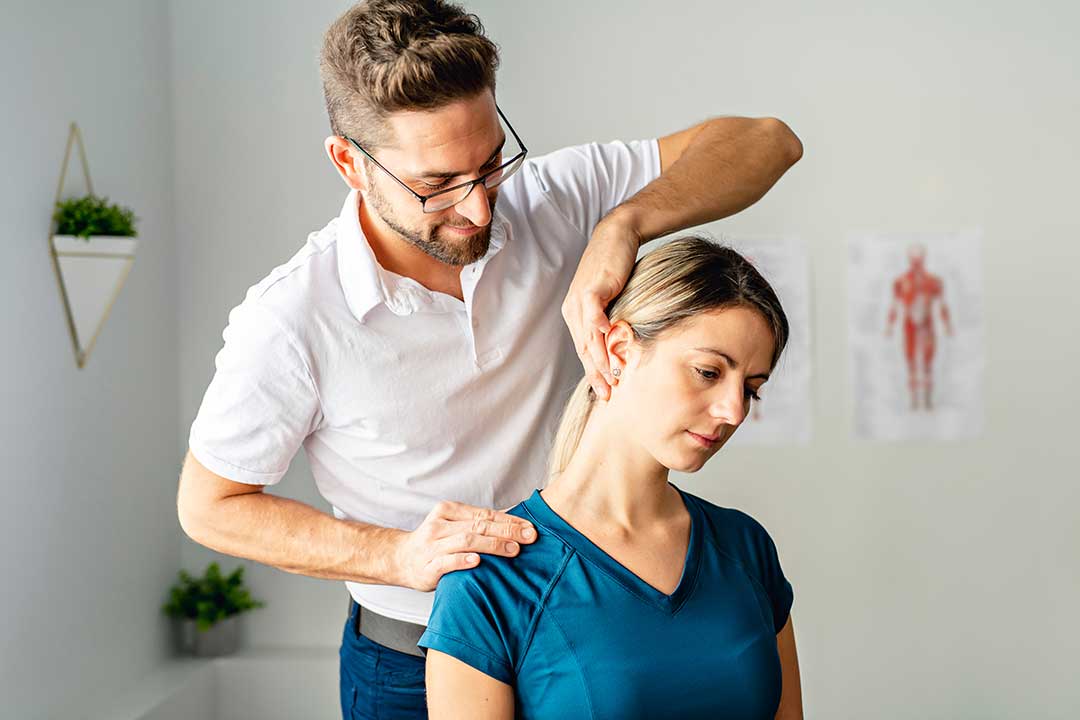
The muscles and nerves surrounding the jaw and spine work together in complex ways. For example, the muscles that allow you to open and close your mouth also attach to the upper neck and base of the skull. If the cervical (neck) spine is stiff, injured, or misaligned, it can create tension or imbalances in these muscles, sometimes leading to jaw discomfort.
Signals from nerves in both the upper spine and jaw travel to the same area in the brainstem. This means pain in one region can sometimes be interpreted as pain in another—leading to a phenomenon called “referred pain.” As a result, a tight or irritated neck can sometimes make it feel like the jaw itself is the problem.
What Are Common Signs That Jaw Pain Might Be Spine-Related?
Jaw pain alone doesn’t confirm a spine connection, but several signs can point in that direction:
- Pain or stiffness in the neck or upper back, especially after waking up or during local cold months when people tend to sleep in different positions
- Headaches that are felt at the base of the skull or radiate from the jaw upward
- Clicking, popping, or limited jaw movement, especially when paired with neck discomfort
- Pain that worsens with posture changes, such as looking down at a phone or sitting for long periods in home offices found in many Lewiston-area houses
Why Does Poor Posture Affect Jaw Pain?
Poor posture is common among residents, particularly with increased use of smartphones, computers, and longer hours spent indoors during snowy seasons. When the head juts forward (sometimes called “text neck”), muscles in the neck and shoulders become strained. This can pull on the muscles connecting to the jaw, increasing tension and pain around the face and TMJ.
Additionally, poor posture can affect how the teeth come together, placing extra stress on the jaw joint and aggravating discomfort or clicking. Home workspaces or makeshift setups—common in local homes—may unintentionally encourage these problems.
Could Dental Issues Alone Cause Jaw Pain, or Should Spinal Health Be Considered?
Dental issues such as grinding, misaligned teeth, gum disease, or cavities are common causes of jaw pain. However, not all pain in the jaw is due to these factors alone. Sometimes, even after dental problems are addressed, jaw discomfort remains if underlying neck or posture issues continue.
Ignoring the possibility of neck or upper back involvement sometimes prolongs recovery or leads to recurring symptoms for local residents. Considering daily habits, workstation ergonomics, and spinal health can be just as important as addressing oral health.
What Can Lewiston Households Do to Reduce Jaw and Spine-Related Pain?
Simple steps at home may help ease mild to moderate symptoms linked to both jaw and spinal discomfort:
- Use supportive seating with proper back and neck alignment in home offices
- Take frequent breaks if working at a computer or looking down at a phone
- Practice gentle neck stretches or jaw relaxation exercises, especially after long periods indoors
- Be mindful of teeth clenching or grinding during stressful periods, such as power outages or winter storms
- Keep the head aligned with the spine when reading or watching screens to reduce strain
If jaw pain is severe, does not improve, or is paired with numbness, fever, or trouble opening the mouth, it’s wise to seek guidance from a healthcare provider who can rule out more serious issues.
What Are Common Misconceptions About Jaw Pain and the Spine?
One misconception in the community is that jaw pain is always a dental problem. Another is that addressing posture or spinal health will solve all cases. In reality, pain is often caused by a combination of factors. Lewiston’s changing seasons, periods of heavy lifting (such as shoveling snow), and more time spent inside can contribute to both jaw and spine stress.
Misunderstandings can lead to missed solutions. For example, simply treating teeth grinding while ignoring posture may ease symptoms only temporarily. By viewing the body as an interconnected system, residents may find more sustainable relief.
When Should Local Residents Consider Underlying Conditions?
If jaw pain is linked with other symptoms—such as persistent headaches, neck pain, dizziness, or numbness—a broader cause like nerve involvement or joint dysfunction may be at play. In rare cases, underlying conditions such as arthritis, infections, or injuries can manifest as jaw discomfort.
Recognizing that spinal health, posture, and even stress levels can influence jaw pain helps individuals make more informed decisions about their well-being, especially in a community with changing seasons and indoor-focused routines.
