
 See Our Latest Article on HelloNation
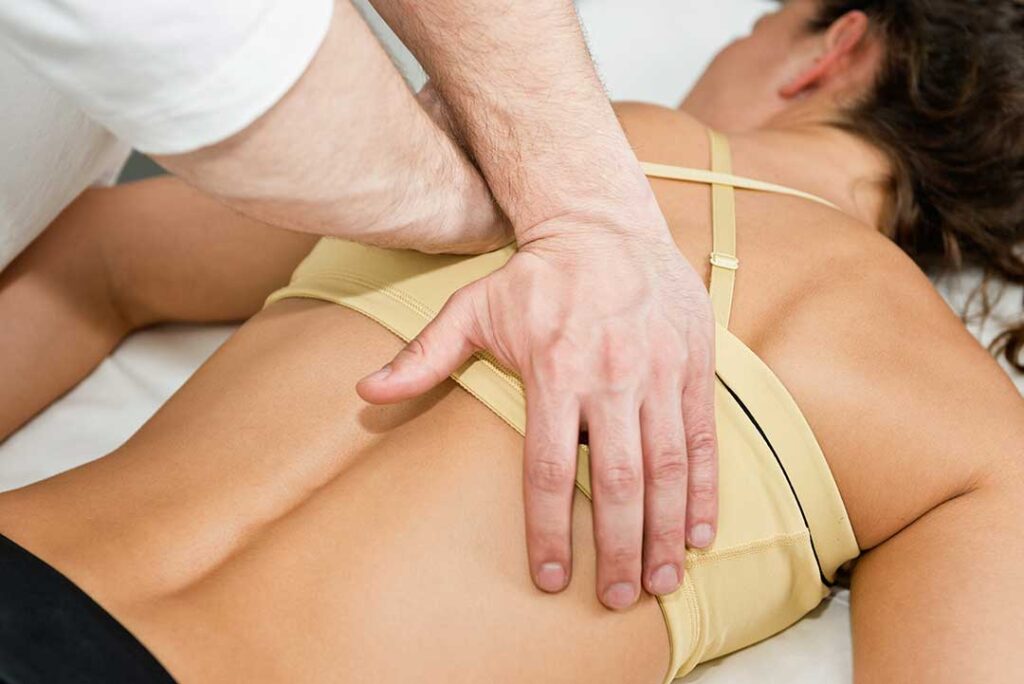
What sleeping position is healthiest for the spine?
For most adults, side sleeping or back sleeping can support a comfortable, neutral spinal position. The better choice depends on where pressure develops, how well the neck is supported, and whether the position allows uninterrupted sleep.
Research does not identify one perfect position for everyone. A 2025 systematic review found that back sleeping and well-supported side sleeping may be associated with fewer low-back symptoms, while stomach sleeping can place more strain on the lower back and neck. ([pubmed.ncbi.nlm.nih.gov](https://pubmed.ncbi.nlm.nih.gov/40338112/?utm_source=openai))
The practical goal is simple: keep the head, shoulders, hips, and knees reasonably aligned rather than twisted or sharply bent for hours.
Is sleeping on your side good for back pain?
Side sleeping is often a comfortable option for people with back or neck discomfort, especially when the legs and neck are properly supported. Bend the knees slightly and place a pillow between them. This can help keep the pelvis from rotating forward and reduce twisting through the lower back. ([mayoclinic.org](https://www.mayoclinic.org/diseases-conditions/back-pain/in-depth/sleeping-positions/art-20546852?utm_source=openai))
A full-length body pillow may be useful if the top leg tends to fall across the body. The pillow under the head should fill the space between the mattress and the side of the head without pushing the neck upward. A pillow that is too high can leave the neck tilted toward the ceiling; one that is too low can allow it to sag toward the mattress.
Shoulder pain may require an adjustment. Sleeping directly on the painful shoulder can increase pressure. Turning slightly toward the opposite side and supporting the upper arm with a pillow may feel more comfortable.
Does sleeping on your back protect the lower back?
Back sleeping can help maintain a relatively even position for the spine, but it is not comfortable for everyone. Placing a pillow under the knees can reduce tension through the lower back and help preserve a natural lumbar curve. A small rolled towel under the waist may provide additional support if there is a noticeable gap between the lower back and mattress. ([mayoclinic.org](https://www.mayoclinic.org/diseases-conditions/back-pain/in-depth/sleeping-positions/art-20546852?utm_source=openai))
The head pillow should support the neck without forcing the chin toward the chest. A thick pillow may be unsuitable for someone with a smaller frame, while a very thin pillow may allow the head to fall backward.
Back sleeping may be less suitable for people whose snoring or obstructive sleep apnea becomes worse in that position. Side sleeping is often preferred in those circumstances, but persistent loud snoring, witnessed pauses in breathing, gasping, or severe daytime sleepiness should be discussed with a medical provider. ([newsnetwork.mayoclinic.org](https://newsnetwork.mayoclinic.org/discussion/mayo-clinic-minute-what-is-the-best-sleeping-position/?cauid=100721&geo=national&invsrc=other&mc_id=us&placementsite=enterprise&utm_source=openai))
Why can stomach sleeping cause problems?
Stomach sleeping often requires the head to remain turned to one side for a long period. That can increase stress around the neck and may flatten or exaggerate the lower-back curve, depending on the mattress and body position.
If changing positions is difficult, reduce strain by using a very low pillow or no head pillow and placing a thin pillow beneath the hips and lower abdomen. These adjustments may reduce the amount the lower back arches, although side or back sleeping may still be more comfortable over time. ([mayoclinic.org](https://www.mayoclinic.org/diseases-conditions/back-pain/in-depth/sleeping-positions/art-20546852?utm_source=openai))
People who sleep on their stomach because of shoulder, breathing, or habit-related comfort should change gradually rather than forcing an unfamiliar position for an entire night.
How should pillows be arranged?
Pillow placement matters more than the number of pillows. A useful setup depends on the sleeping position:
- Side sleeping: Use a head pillow that keeps the neck level with the rest of the spine, plus a pillow between the knees.
- Back sleeping: Place a pillow under the knees and use enough head support to keep the face pointed toward the ceiling.
- Stomach sleeping: Use minimal head elevation and consider a thin pillow under the pelvis if the lower back feels strained.
- Changing positions: A long pillow behind the back or between the knees can make side sleeping more stable.
The pillow should not force the body into a rigid position. If numbness, shoulder pressure, or morning stiffness increases after adding a support, the height or placement may need to be changed.
Can the mattress affect spinal comfort?
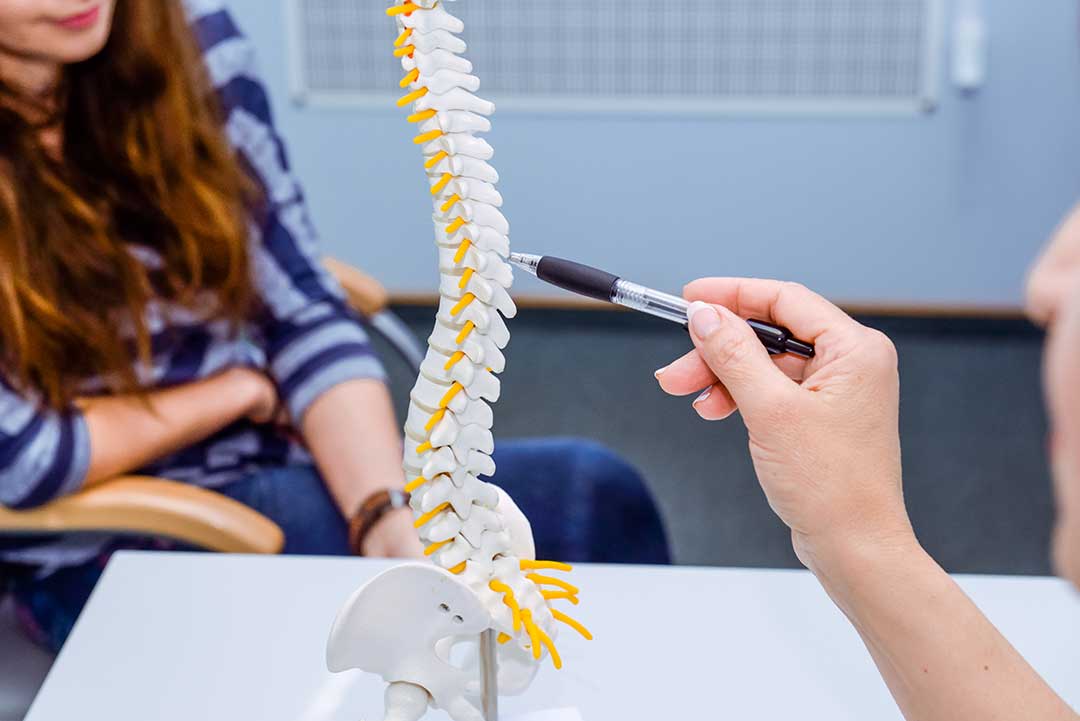
Yes. A mattress that allows the hips to sink deeply may leave the lower back unsupported, while a very firm surface may create pressure at the shoulders and hips. The most suitable surface depends on body shape, sleeping position, age, and personal comfort. Recent research reviews do not support a single mattress type for every person. ([pubmed.ncbi.nlm.nih.gov](https://pubmed.ncbi.nlm.nih.gov/42432412/?utm_source=openai))
A mattress does not need to be expensive to be useful. Signs that the surface may be contributing to discomfort include:
- Waking with pain that eases after moving around
- A visible dip where the hips rest
- Repeatedly shifting positions to relieve pressure
- A pillow that feels appropriate on one bed but not another
In Lewiston, seasonal temperature changes can also affect sleep comfort. Cold, dry winter air may encourage people to use heavier bedding, while warmer summer nights can lead to restlessness. Excess blankets can restrict movement and make a person remain in a twisted position. Bedding should provide warmth without pressing heavily across the legs or forcing the body into one posture.
What is the best way to change sleeping position?
Change one factor at a time. For example, a side sleeper might first add a pillow between the knees rather than replacing the mattress and all pillows at once. Keep the new arrangement for several nights unless it clearly worsens symptoms.
When getting out of bed, roll onto the side, move the legs over the edge, and use the arms to help sit up. This can be more comfortable than bending sharply forward from a lying position, particularly during a flare-up of low-back stiffness.
Morning discomfort does not always mean the spine was damaged during sleep. Muscles and joints may become stiff after remaining still, and poor sleep can make pain feel more intense. Sleep quality and spinal symptoms can influence each other, so improving the sleep environment may help without being the only solution. ([pmc.ncbi.nlm.nih.gov](https://pmc.ncbi.nlm.nih.gov/articles/PMC8432009/?utm_source=openai))
When should nighttime back or neck pain be evaluated?
Seek prompt medical evaluation for back pain accompanied by new loss of bladder or bowel control, numbness around the groin, progressive leg weakness, fever, unexplained weight loss, or significant pain after a fall or other injury.
Persistent pain that regularly interrupts sleep, travels down an arm or leg, causes repeated numbness, or does not improve with ordinary movement and position changes also deserves evaluation. Sleeping position can reduce mechanical strain, but it cannot correct every cause of spinal pain.
For many area households, the most practical starting point is to test a supported side position and a supported back position, then compare how the neck, hips, and lower back feel after waking. The best position is the one that keeps the body comfortable, breathing unobstructed, and the spine in a relaxed, reasonably neutral alignment.
